I honestly thought pulling over that afternoon was nothing special. Just basic human decency. An elderly woman, a wrecked car, a moment where you either stop or you don’t. I never imagined it would reroute my entire life.
Three years earlier, cancer had taken my wife. Not just her body, but the future we’d built in late-night kitchen conversations and half-serious plans. We used to sit at the table long after Nina went to bed, talking about where we’d travel when she turned sixteen, laughing at jokes only we understood. My wife had that rare gift of making the world feel open and possible.
When she died, it felt like the scaffolding of my life collapsed overnight.
Grief didn’t arrive neatly. It came in waves—unexpected, brutal. I’d reach for my phone to text her something dumb and funny, then stop mid-typing. I’d set two plates on the table before realizing my mistake. I once caught myself listening for her keys in the door at 6:15 p.m., exactly when she used to come home.
Our house became a museum of memories—her scarf still on the hook, her handwriting on sticky notes in the pantry, the indentation in her pillow that never quite disappeared. Precious. Painful. Indivisible.
Through it all, one thing kept me upright: Nina. She was fourteen and already missing her mom in ways she didn’t always know how to say out loud. She couldn’t lose her dad to grief too.
So I made a quiet decision. I stopped dating. Stopped imagining a future that didn’t revolve around being present for my daughter. It wasn’t fear or bitterness—just clarity. Nina needed me whole.
My commute home from work became sacred thinking time. Twenty-three minutes to plan dinner, anticipate homework struggles, and wonder—constantly—if she was really okay. I’d rehearse conversations in my head. Ask the questions I was afraid to ask. Promise myself I’d notice the small things.
That Tuesday started like any other. Until traffic suddenly slowed to a crawl.
At first, I assumed construction. Then I saw the reason.
A silver sedan was crushed against the guardrail, its hood folded like paper. Steam hissed into the air. One headlight dangled uselessly. And on the ground beside it sat an elderly woman who looked completely frozen.
Her gray hair clung damply to her face. Her hands shook in her lap. She wasn’t screaming or waving for help—just staring at the wreckage like her body hadn’t caught up to reality yet.
I watched car after car slow down, glance over, and drive on.
Something hot and furious flared in my chest. I didn’t think. I pulled onto the shoulder and got out.
“Ma’am?” I approached slowly, palms open. “Are you okay?”
She looked up like she was surfacing from deep water. “The brakes didn’t work,” she whispered. “I really thought… this was it.”
The way she said it—so resigned, so calm—broke something in me.
I grabbed the emergency blanket from my trunk and wrapped it around her shoulders. She was shaking hard. I crouched beside her and asked her to breathe with me.
“In for four,” I said gently. “Out for four. Just match me.”
That was all it took.
She collapsed forward, sobbing so violently it felt like her fear was being torn out of her. I stayed. I didn’t rush her. I didn’t tell her to calm down. I just stayed.
“I’m Ruth,” she finally said, voice trembling. “I can’t believe you stopped. Nobody else did.”
“I’m Leo,” I said. “And I’m calling for help. You’re not alone.”
The twelve minutes waiting for the ambulance felt endless. Cars continued creeping by, their drivers careful not to make eye contact. I found myself angrier at them than I had any right to be.
When the EMTs arrived and lifted her onto the stretcher, Ruth grabbed my arm with surprising strength.
“You probably saved my life,” she said. “I won’t forget this.”
I watched the ambulance disappear and stood there feeling hollow, shaken, unsettled by how close she’d come to being ignored into oblivion.
That night, I held Nina a little tighter when she hugged me goodnight.
Two days later, I was rinsing dishes when my phone rang.
My mother was screaming.
“Turn on the TV! Right now!”
My stomach dropped. I switched on the news just as the anchor nodded sympathetically toward someone off-camera.
It was Ruth.
She looked calmer, composed, sitting under studio lights. She spoke about the accident, about how she thought she would die alone while people drove past. Then the screen cut to body cam footage.
There I was. Kneeling on wet pavement. Emergency blanket around her shoulders. My hand steady on her back.
“This unidentified man stayed until help arrived,” the reporter said. “His simple act of kindness may have saved her life.”
Ruth looked into the camera.
“Leo, if you’re watching… please come to Oakridge Café. I’d really like to thank you.”
My mother cried. Nina burst into the kitchen, eyes wide, phone in hand.
“Dad. You’re trending.”
I groaned. She laughed.
“Mom would think this is hilarious,” she added softly.
Saturday morning, Nina and I walked into Oakridge Café—and the entire place stopped.
Then they clapped.
I froze. Nina squeezed my hand like I was the kid and she was the parent.
Ruth came out of the kitchen, flour on her apron, arms open. She hugged me like family. Her embrace wasn’t fragile—it was fierce. Alive.
“You didn’t just save me,” she whispered. “You reminded me people still show up.”
Everything was suddenly on the house. Cinnamon rolls, coffee, hot chocolate piled with whipped cream for Nina. Customers came by our table, shaking my hand, telling their own stories of moments when someone had stopped for them—or when they wished they had stopped for someone else.
Then another woman appeared—early thirties, warm smile, carrying mugs of hot chocolate.
“I’m Virginia,” she said. “Ruth’s daughter. Thank you for what you did.”
Her voice held steadiness, but her eyes betrayed how close she’d come to losing her mother.
What was supposed to be a short visit turned into hours of laughter. Stories. Pastries. A warmth I hadn’t felt in years—not the kind that replaces grief, but the kind that exists alongside it.
We went back the next weekend. And the next.
Nina started helping behind the counter sometimes, learning how to frost cupcakes from Ruth. I found myself staying after closing, talking with Virginia about everything and nothing. About caregiving. About losing people. About how strange it is to keep living when someone you love no longer does.
Somewhere between shared grief and easy conversation, something shifted. Not dramatic. Not reckless. Just quiet.
Nina noticed before I did.
“Dad,” she said one night, leaning against my bedroom doorframe, “you smile differently when you talk about Virginia.”
I laughed. “Is that so?”
“Yes. It’s not the polite smile. It’s the real one.”
When Virginia and I finally went on a date, Nina gave me a pep talk like she was the parent.
“Dad, you deserve to be happy. Mom would want that. Loving someone new doesn’t erase her. It just means your heart still works.”
That nearly broke me.
For a long time, I thought moving forward meant leaving my wife behind. I thought opening my heart again would somehow diminish what we had.
But that roadside taught me something different.
Stopping for Ruth wasn’t heroic. It was instinct. It was choosing connection over convenience.
And maybe that’s what love is too.
Sometimes honoring the love you lost doesn’t mean guarding the ruins. Sometimes it means building again—with the same foundation of kindness, courage, and showing up when it matters.
One choice. One moment of stopping instead of driving past.
I thought I was saving a stranger that afternoon.
I didn’t realize she was saving me, too.
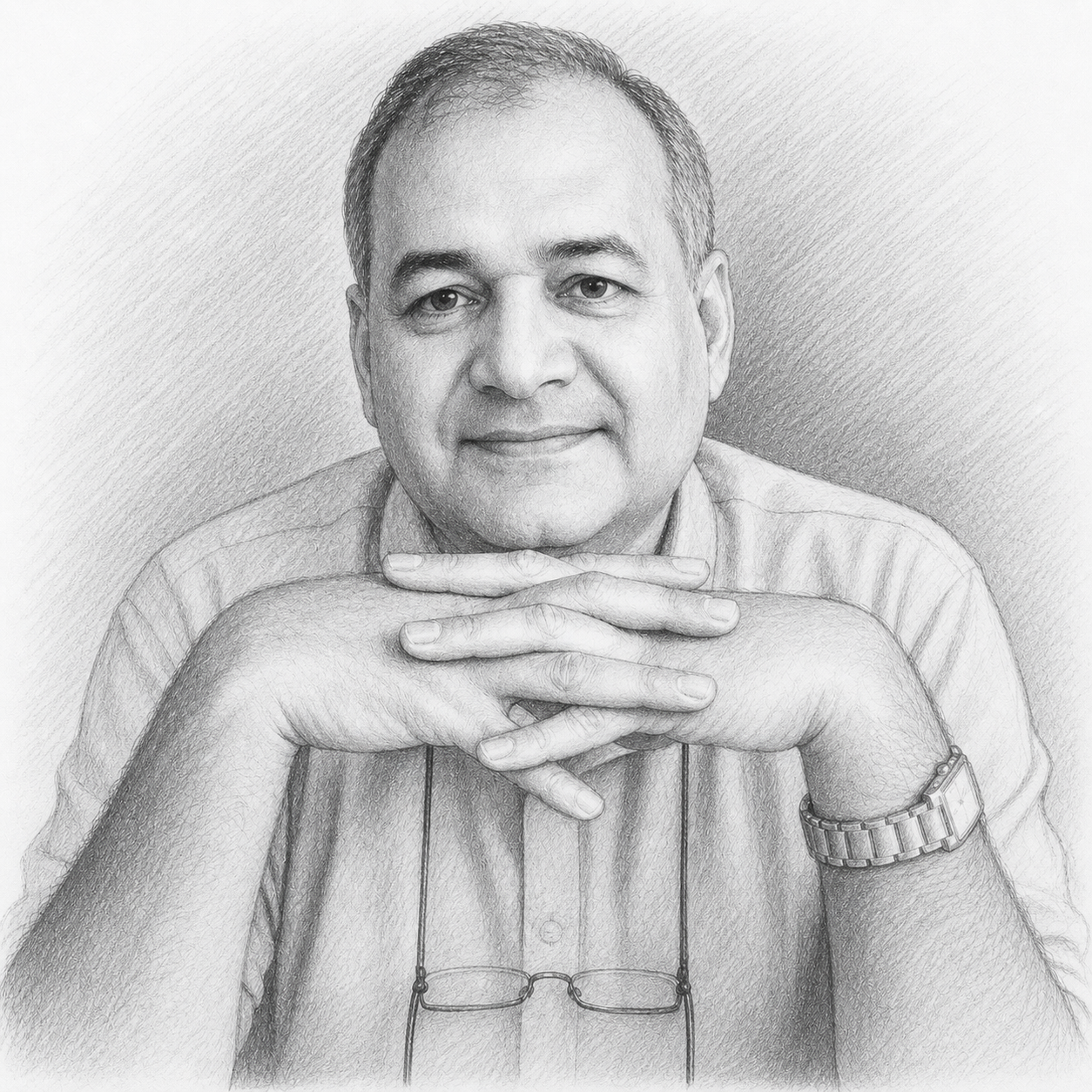
ZafMalik is a journalist an storyteller who turns everyday moments into unforgettable, viral narratives. With a sharp eye for emotion and twists, he brings real-life stories to life in ways that stay with you long after they’re told.