Dame Esther Rantzen Dies at 86, Leaving a Legacy of Television and Compassion
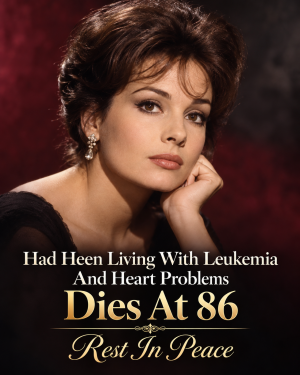
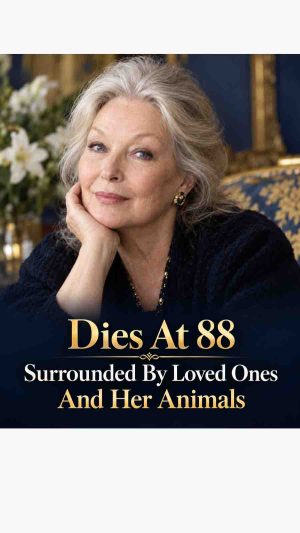
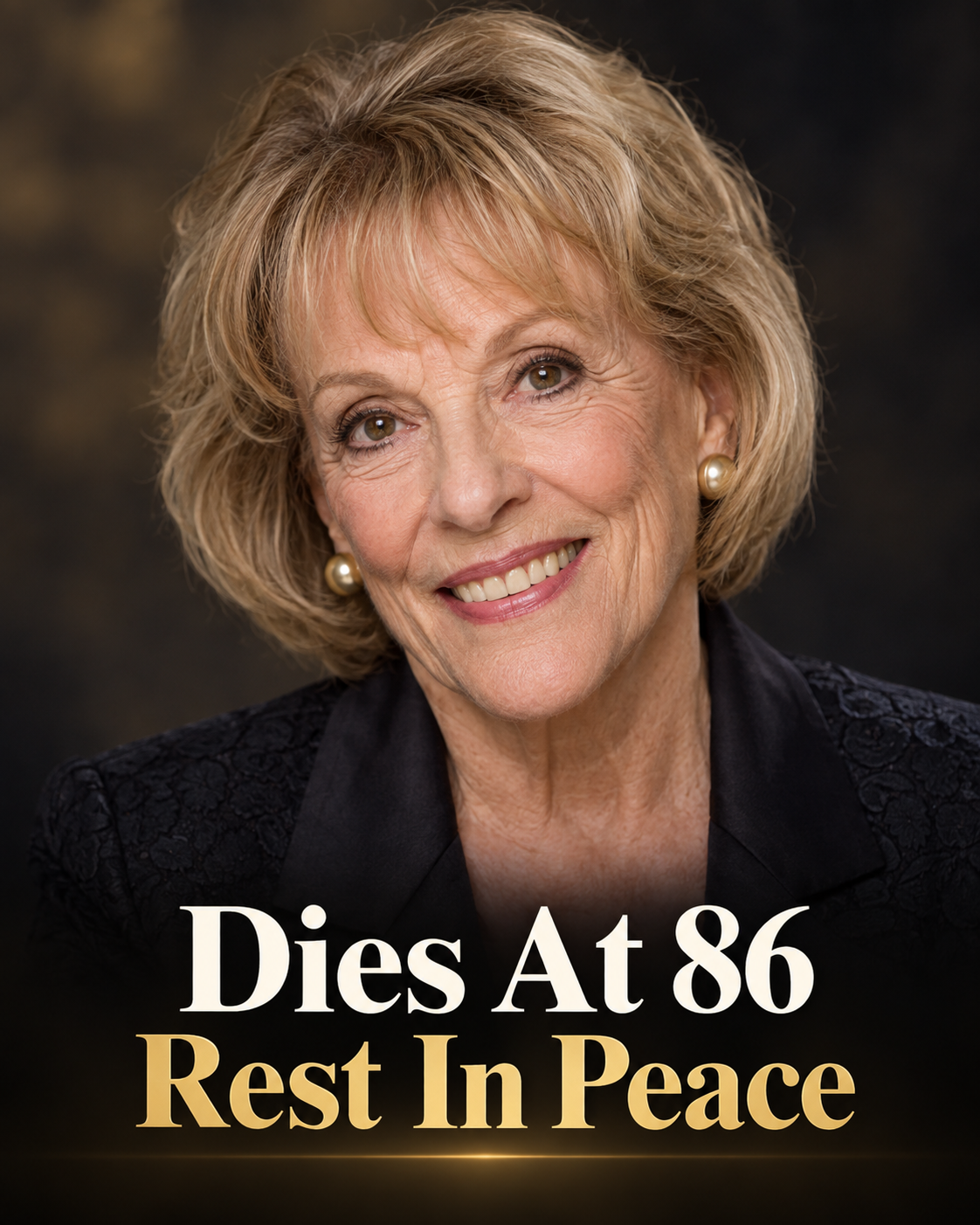
Dame Esther Rantzen, the British broadcaster whose television career helped inspire lasting support for vulnerable children and older people, has died at 86.
Her children, Miriam, Rebecca and Joshua Wilcox, confirmed that she died on September 30. In their tribute, they remembered a loving mother whose warmth, humour and reassuring presence shaped their lives. Rantzen had publicly disclosed her lung cancer diagnosis in 2023.
A Familiar Face in British Homes
Rantzen became a household name through the BBC programme That’s Life!, which she presented from 1973 to 1994. Combining entertainment with consumer investigations, the show attracted millions of viewers and gave everyday concerns a prominent place on national television.
Its reporting helped draw attention to children’s road safety, dangerous playground surfaces and the importance of organ donation. Rantzen also addressed subjects that were often difficult to discuss openly, including bereavement and mental health.
Her achievements in factual broadcasting earned her BAFTA’s Richard Dimbleby Award in 1988. She was the first woman to receive the honour.
Childline Became Her Enduring Legacy
Rantzen’s influence extended far beyond television. In 1986, she founded Childline, creating a confidential service where children facing distress could seek help.
The initiative grew from her determination to give vulnerable young people someone who would listen. Childline later became part of the NSPCC, carrying her campaigning work into the lives of generations of children.
Supporting Older People
She later established The Silver Line to offer companionship and support to older people experiencing loneliness.
The two services reflected a consistent purpose throughout her public life: helping people who felt isolated find a sympathetic voice. Rantzen was made a dame in 2015 in recognition of her charitable work.
A Final Campaign
Following her terminal cancer diagnosis, Rantzen became a prominent advocate for assisted dying, bringing her personal experience into the national debate. She continued speaking publicly about the issue as her health declined.
Her husband, documentary filmmaker Desmond Wilcox, died in 2000. She is survived by their three children. Her legacy lives on through the programmes that informed viewers and the charities that continue to offer comfort and practical support.