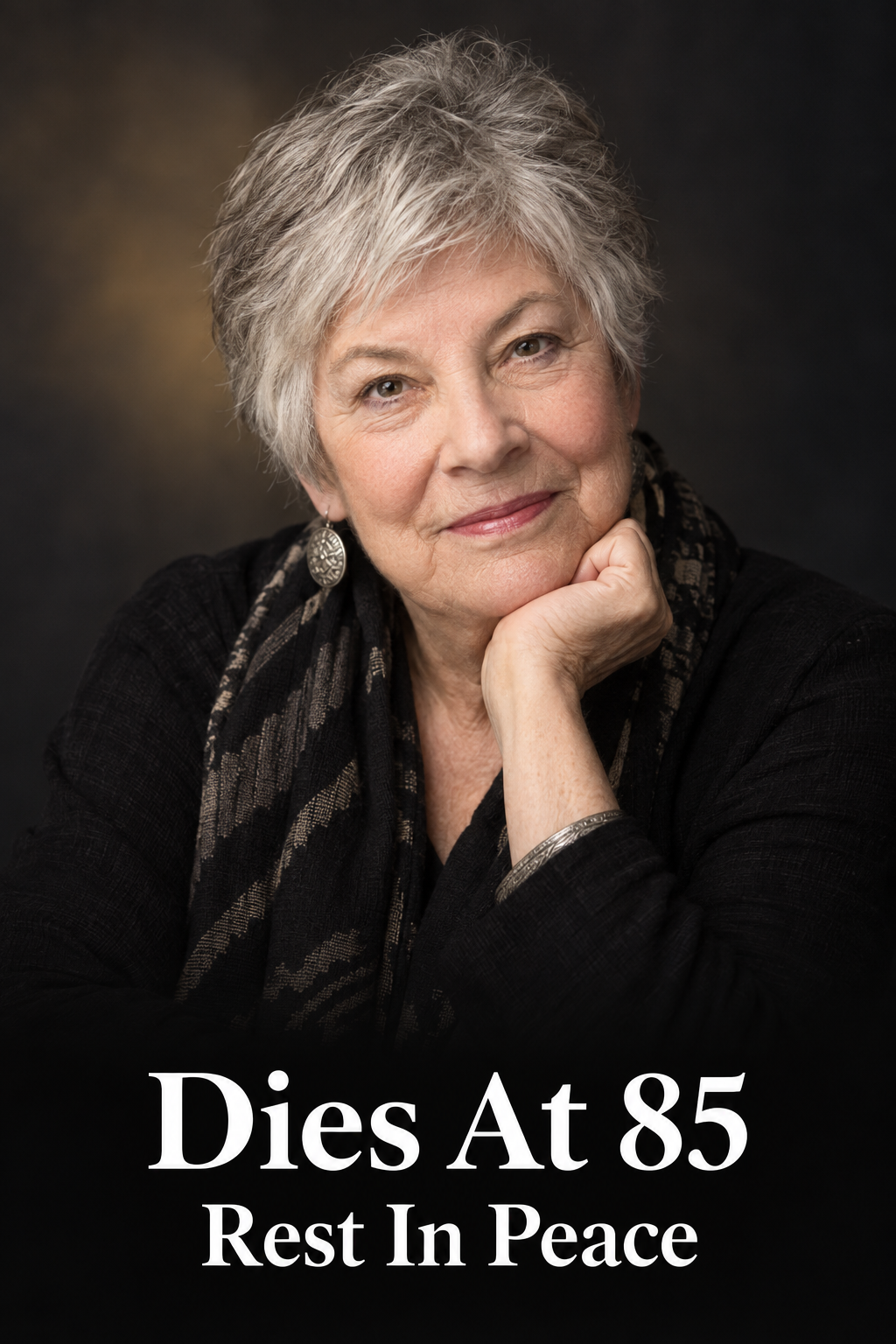
Robin Morgan Dies: Former Ms. Magazine Editor and Women’s Media Center Co-Founder Was 85
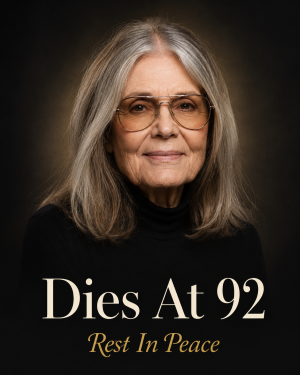
Robin Morgan, the influential poet, author, editor and feminist activist who helped shape the modern women’s movement, has died at the age of 85.
Morgan died peacefully in her sleep in New York on Saturday, September 5, following several recent health problems. Her son, musician Blake Morgan, confirmed her death. She had also lived with Parkinson’s disease for approximately 16 years.
Her death came only days after that of her longtime friend and fellow feminist leader Gloria Steinem, with whom she and actor-activist Jane Fonda founded the Women’s Media Center in 2005. (apnews.com)
Over a career spanning more than six decades, Morgan became one of the most recognizable intellectual and creative voices of second-wave feminism. She was a prolific poet and political writer, a former editor-in-chief of Ms. magazine and an organizer behind several landmark women’s rights initiatives.
From Child Star to Political Activist
Born in Lake Worth, Florida, in 1941 and raised in New York, Morgan began performing at an unusually young age. Long before she became known for her political writing, she was a popular child actor during the 1940s and 1950s.
Known to audiences as “Little Robin Morgan,” she worked in radio and television and was presented as a wholesome young American star. Her early career brought public recognition, but Morgan eventually walked away from that carefully constructed image and moved toward literature, journalism and political activism.
The transformation was dramatic. The former child star became an outspoken critic of sexism, racism, militarism and other forms of injustice.
During the 1960s, Morgan participated in the civil rights and anti-Vietnam War movements. She worked with organizations including the Congress of Racial Equality and the Student Nonviolent Coordinating Committee before becoming increasingly involved in the emerging women’s liberation movement. (Academy of American Poets)
A Leading Voice of Second-Wave Feminism
Morgan helped establish New York Radical Women, one of the country’s early radical feminist organizations. She was also involved in creating the Women’s International Terrorist Conspiracy from Hell, better known by the acronym W.I.T.C.H.
In 1968, Morgan participated in organizing the protest against the Miss America pageant in Atlantic City. The demonstration challenged the beauty standards, commercialization and restrictive gender expectations that organizers believed the pageant imposed on women.
The protest became one of the defining public actions of the growing women’s liberation movement and helped bring national attention to feminist concerns.
Morgan was also briefly associated with the Youth International Party, whose members were commonly called Yippies. She eventually distanced herself from the male-dominated radical left, criticizing the sexism she encountered inside supposedly progressive political organizations.
Her activism was rarely separated from her writing. She believed language could expose systems of power, communicate complex ideas and help people imagine a different society.
The Impact of Sisterhood Is Powerful
Morgan reached a wide audience as the editor of Sisterhood Is Powerful: An Anthology of Writings from the Women’s Liberation Movement, published in 1970.
The groundbreaking collection brought together essays, personal accounts, manifestos and other writings examining women’s experiences and political struggles. It became a foundational text of second-wave feminism and introduced many readers to the rapidly expanding women’s liberation movement.
She later edited two companion volumes: Sisterhood Is Global, published in 1984, and Sisterhood Is Forever, released in 2003.
Together, the three anthologies reflected Morgan’s belief that the movement for women’s equality must extend beyond the United States and address the different realities women face around the world.
In 1984, she helped establish the Sisterhood Is Global Institute with French writer and philosopher Simone de Beauvoir. The international organization was created to support women’s rights, research and advocacy across national boundaries.
Transforming Ms. Magazine
Morgan maintained a long association with Ms., the groundbreaking feminist magazine launched in the early 1970s.
She began contributing to the publication in 1979 and served as its editor-in-chief from 1989 until 1994. During her tenure, she helped relaunch Ms. as an advertising-free international bimonthly magazine.
The change was intended to protect the publication’s editorial independence and prevent commercial pressure from determining how it covered women’s lives. Morgan later continued her involvement as the magazine’s global editor.
Her journalism earned numerous honors, while her leadership helped preserve Ms. as an influential forum for reporting, cultural criticism and feminist debate.
At the time of her death, Morgan had recently stepped down from her global editor position but was planning several new writing projects. She reportedly intended to complete another novel, a collection of essays and additional poetry. (Ms. Magazine)
Founding the Women’s Media Center
In 2005, Morgan joined Jane Fonda and Gloria Steinem in establishing the Women’s Media Center.
The organization was founded to increase women’s visibility, influence and decision-making power throughout the media. Its work has included training women as expert commentators, producing original journalism, monitoring sexism and challenging the underrepresentation of women in news coverage.
Morgan later became the writer, producer and host of Women’s Media Center Live with Robin Morgan. The nationally syndicated radio program and podcast combined political commentary with conversations featuring activists, writers, artists, public officials and other prominent guests.
The program reached listeners internationally and produced hundreds of episodes, giving Morgan another platform from which to address politics, culture, religion, human rights and media representation.
The Women’s Media Center described her as an architect of contemporary American feminism and a leader in the international women’s movement. (womensmediacenter.com)
A Prolific Literary Career
Although Morgan was widely recognized as an activist, she considered herself first and foremost a poet and artist.
She published more than 20 books across poetry, fiction and nonfiction. Her eight poetry collections included Monster, Lady of the Beasts, Depth Perception, A Hot January and Harvesting Darkness.
Her nonfiction works included The Demon Lover: The Roots of Terrorism, Fighting Words: A Toolkit for Combating the Religious Right and her memoir, Saturday’s Child.
Morgan received a National Endowment for the Arts award for poetry and was granted an honorary Doctor of Humane Letters degree by the University of Connecticut in 1992. (womensmediacenter.com)
Even after being diagnosed with Parkinson’s disease, Morgan continued writing, broadcasting and speaking publicly. She addressed her experience with the disease through poetry and discussed it during a TEDWomen presentation in 2015.
Remembering Robin Morgan
Julie Burton, president and CEO of the Women’s Media Center, remembered Morgan as one of the architects of the contemporary women’s movement whose journalism gave women greater “voice and visibility.” Burton said Morgan’s international advocacy and body of work had created an enduring creative, cultural and political legacy. (Ms. Magazine)
Morgan’s career crossed many boundaries. She moved from childhood celebrity to poetry, from civil rights advocacy to feminist organizing, and from magazine editing to international broadcasting.
She challenged both conservative institutions and sexism within progressive movements, refusing to treat equality as a secondary concern. Through her books, organizing and media work, she helped introduce feminist ideas to generations of readers and encouraged women to become visible participants in public life.
Robin Morgan is survived by her son, Blake Morgan. Details regarding a public memorial had not been announced at the time of publication.