I didn’t think my pride had a price tag, but there I was, counting coins and stretching packets of instant noodles like they were gourmet meals. Every call with my parents felt like a performance where I pretended everything was “fine, just busy.” I loved them, and that was exactly why I didn’t want to worry them. So when my mom called out of the blue and casually mentioned she might stop by my apartment to leave a few treats, I laughed it off.
Treats sounded like cookies or maybe leftovers—something sweet, temporary, easy to accept without admitting how tight things had become.
That evening, exhaustion followed me home. The apartment was quiet in that way that makes you feel smaller than the furniture. I dropped my bag, kicked off my shoes, and went straight to the fridge, already planning which noodle flavor would win tonight.
When I opened the door, I didn’t immediately understand what I was seeing.
The shelves were full.
Not fancy, not extravagant—just full.
Containers labeled in my mom’s handwriting. Fresh vegetables. Eggs. Milk. A small stack of home-cooked meals wrapped carefully, like they mattered.
I stood there longer than I expected, not because of the food, but because of what it meant.
My mom hadn’t asked questions. She hadn’t lectured or left a note reminding me to budget better. She had simply noticed.
Somewhere between our short phone calls and polite answers, she had read the silence I didn’t know how to explain.
Those meals weren’t just nourishment; they were her way of saying, “You don’t have to ask.”
Each container felt like a quiet memory—family dinners, laughter, the way she always sent me home with leftovers even when I insisted I didn’t need them.
I realized then that love often shows up disguised as practicality.
Later that night, eating something warm that hadn’t come from a packet, I understood that independence doesn’t mean doing everything alone.
It means knowing when to accept kindness without shame.
Life has seasons where you’re the one giving and seasons where you’re the one opening the fridge and feeling overwhelmed by gratitude.
My mom never called it help.
She called it treats.
And maybe that’s what made it easier to receive—because at its core, it wasn’t about money or struggle, but about care quietly placed on a shelf, waiting for me to come home and realize I was never as alone as I thought.
And standing there in that small kitchen, the hum of the refrigerator filling the silence, I realized something else too: sometimes the people who love us the most understand our struggles long before we are brave enough to admit them ourselves.
Winter mornings have a way of challenging even the most organized routines.
Cold air, icy windshields, and the ticking clock can turn a quick drive into a stressful start before the day truly begins.
Many drivers instinctively reach for scrapers or rely on hurried methods to clear frost, often without realizing their vehicle already includes a feature designed to handle these exact conditions.
Understanding and using this built-in function can make winter mornings noticeably smoother and safer.
Most modern cars are equipped with a windshield defrost setting that works more efficiently than many people expect.
When activated, it directs warm air toward the windshield while also turning on the air-conditioning system. This combination is intentional and effective.
Warm air helps loosen ice and frost, while the air-conditioning removes excess moisture from the cabin.
The result is faster clearing and reduced fogging, improving visibility both immediately and as you begin driving.
Rather than fighting the elements, the defrost system works in harmony with the vehicle’s design.
Using the defrost function is simple and requires little effort.
Start the engine, select a warm temperature, and press the windshield defrost button—usually marked with a curved glass icon.
Within a short time, the windshield begins to clear from the inside, restoring a safe view without the need for scraping or risky shortcuts.
This method protects the glass and saves time, especially on particularly cold mornings when frost is stubborn and visibility is limited.
For cars without a dedicated defrost feature, preparation becomes essential.
Windshield covers, de-icing sprays, and keeping interior humidity low can all reduce frost buildup.
Simple habits like cleaning windows regularly and avoiding excess moisture inside the car can also help prevent fogging.
With a little awareness and the right approach, winter driving can begin calmly and safely, setting a better tone for the rest of the day.
And on mornings when the cold seems determined to slow everything down, that small button on the dashboard quietly reminds us that sometimes the simplest solutions are the ones we overlook.
For six months, every day at exactly 3 p.m., a huge biker with a gray beard appeared in my 17-year-old daughter Hannah’s hospital room.
She had been in a coma after a drunk driver ran a red light and hit her car.
I, her mother, spent endless hours by her side—sleeping in a recliner, eating from vending machines, and learning the rhythms of the hospital.
And every day, without fail, this stranger would quietly enter, nod at me, and sit with Hannah for an hour, holding her hand, sometimes reading from a fantasy book.
I didn’t know who he was or why he came.
Despite the warmth of his presence, a gnawing fear and curiosity built inside me.
At first I assumed he must be a distant relative or perhaps someone from her school.
But the nurses didn’t know him either.
Day after day he returned with the same quiet ritual—wash his hands, pull up the chair, open the book, and begin reading as if Hannah could hear every word.
Finally, after months of watching him, I confronted him in the hallway.
My heart pounded so hard I could hear it in my ears.
He introduced himself as Mike.
What he told me stunned me.
He was the man who had caused Hannah’s accident.
He had served his sentence, gone through rehab, and remained sober since that night.
But the guilt had driven him to sit by my daughter every day—reading the books she loved, telling her he was sorry, and quietly bearing the weight of what he had done.
He did not excuse himself, demand forgiveness, or try to erase the past.
He simply showed up, hoping to make some small amends.
It was painful, complicated, and raw.
I told him I didn’t want him near her.
He accepted that.
But he continued to attend meetings and remain quietly present in the background.
Over time, Hannah began to respond.
Her fingers squeezed mine.
Her eyes fluttered.
Slowly, she returned to consciousness.
Mike didn’t push or lecture.
He just stayed by her side, reading and talking softly, letting her guide the pace of recovery.
When she finally learned the truth about him, her response was measured.
She didn’t forgive him fully.
But she also didn’t want him to disappear from her life.
It was a fragile, honest truce built on presence and accountability, not denial.
Almost a year after the crash, Hannah walked out of the hospital with a cane—still facing bad days but also reclaiming her life.
Mike, sober and steady, continued to support her quietly.
Sometimes helping with bills.
Sometimes bringing snacks to therapy.
Today, we mark the anniversary of that accident each year by meeting at a small coffee shop and sharing quiet moments together.
It’s not forgiveness.
It’s not forgetting.
It’s simply three people who were hurt and changed forever learning how to live alongside the consequences.
Two years after losing my wife and six-year-old son in a car accident, I existed more than I lived.
Grief hollowed out the days until they blurred together—work, takeout, sleepless nights on the couch, the TV murmuring to no one.
People told me I was strong, but strength had nothing to do with it.
I was just still breathing.
Our house felt wrong, like a place that had forgotten its purpose.
My wife’s mug sat untouched by the coffee maker.
My son’s sneakers waited by the door.
I avoided our bedroom and learned how quiet a life could become when the people who gave it meaning were suddenly gone.
One night, long past midnight, I was scrolling through Facebook when a local news post stopped me cold.
It showed four siblings—small, pressed together on a bench—about to be separated by the foster system.
Their parents were gone.
No family could take them all.
If no one stepped forward, they would be placed in different homes.
That single line—likely to be separated—hit harder than anything I’d read in two years.
I studied their faces.
The way the oldest leaned protectively toward the others.
The way they looked like they were bracing for another loss.
I knew what it meant to walk away alone after a hospital hallway goodbye.
By morning, I was calling Child Services, telling myself I was only asking questions—even though I already knew the truth.
The process was long—paperwork, interviews, therapy, waiting.
Eventually I met them in a plain visitation room under harsh lights.
They sat shoulder to shoulder, cautious and watchful.
I told them my name.
I told them I wasn’t interested in choosing just one.
When I said I wouldn’t change my mind, something in the room softened.
Life after that was loud and messy and hard.
There were nightmares, slammed doors, burned dinners, and moments I hid in the bathroom just to breathe.
But there were also crayon drawings.
School forms signed with my last name.
Whispered “goodnight, Dad” moments that made my hands shake.
The house filled back up—with noise, shoes by the door, and something that felt like purpose.
A year later, I learned their parents had left behind more than memories.
They had written a will, created a small trust, and made one wish unmistakably clear:
their children were never to be separated.
Without knowing it, I had carried out what they hoped for.
I didn’t step forward for money or a house.
I didn’t even know those existed.
I said yes because four siblings were about to lose each other—and I couldn’t let that happen.
I’m not their first father.
I’ll always miss the family I lost.
But now, when four kids pile onto the couch, steal my popcorn, and call me “Dad,” I know this much is true:
this is what love looks like after loss.
Us.
Together.
And in the quiet moments after they fall asleep, when the house finally grows still again, I sometimes realize that the life I thought ended was only waiting for a different beginning.
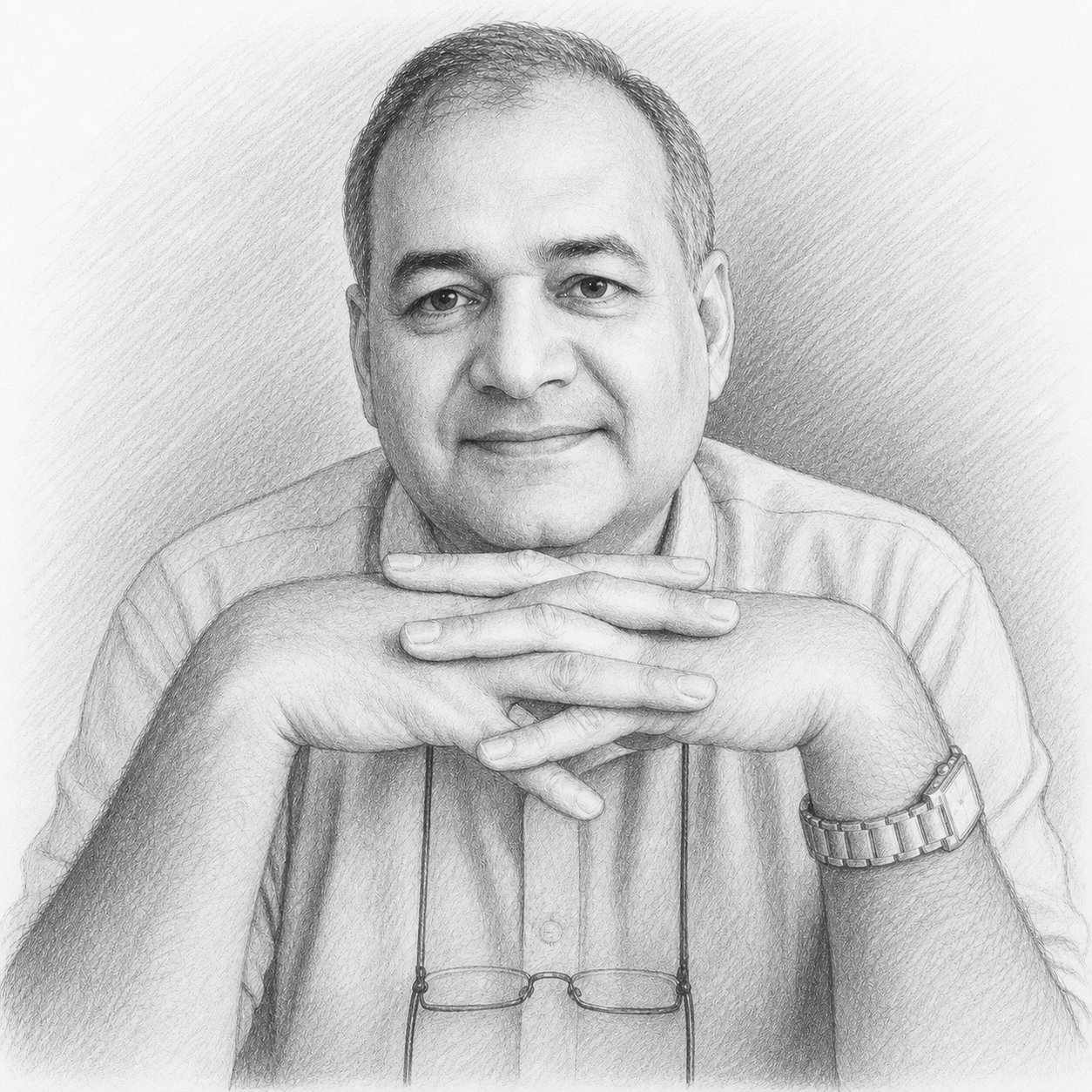
ZafMalik is a journalist an storyteller who turns everyday moments into unforgettable, viral narratives. With a sharp eye for emotion and twists, he brings real-life stories to life in ways that stay with you long after they’re told.