I sat on the cold metal bench outside Boston General Hospital, my hands shaking as I pulled my coat tighter against the sharp November wind. The air smelled faintly of antiseptic drifting out through the automatic doors, mixed with the bitter scent of cigarette smoke from the employee break area nearby.
Tears had dried on my cheeks, leaving faint salt tracks that stung in the cold.
My name is Anna Fletcher.
I’m forty-three years old, and twenty minutes ago I said what might have been the last goodbye to my husband.
Mark Fletcher was dying upstairs in the ICU.
Kidney failure.
Without a transplant, the doctors had told us with brutal honesty, he had weeks left. Maybe days.
Six months ago, Mark had been the healthiest man I knew.
We had been planning a trip to Italy for our twentieth wedding anniversary. He had been working long hours at his architecture firm, coming home late, exhausted but excited about a new project.
I used to tease him about those late nights.
“You’re going to work yourself into the ground,” I would say, laughing as he loosened his tie at the kitchen table.
He would smile and promise things would calm down soon.
I never imagined those late nights weren’t about work at all.
Now he lay in Room 314, surrounded by humming machines and blinking monitors that kept him alive while his body slowly shut down.
The kidney disease had progressed with terrifying speed.
One day he was complaining about fatigue.
The next day he was in the hospital with complete renal failure.
“I’m sorry, Mrs. Fletcher,” Dr. Harrison had told me that morning, his voice gentle but firm. “We’ve tested every family member, every friend who volunteered. No one is a compatible match.”
He hesitated before continuing.
“And the waiting list for donor organs… there simply isn’t enough time.”
I had nodded politely, thanked him, and walked out of the room.
Then I went back to Mark’s bedside and smiled as if none of that mattered.
“We’ll figure something out,” I had told him.
But we both knew I was lying.
Hope had quietly slipped out of our lives.
I finally stood up from the bench, ready to walk to my car and return to our empty house, when I heard voices around the corner of the building.
Two hospital workers were standing near the side entrance, smoking.
Their voices carried clearly in the still night air.
“She wouldn’t be suitable as a donor anyway,” one of them said.
“The wife’s test results were bad.”
I froze.
They were talking about Mark.
About me.
“Yeah, it’s a real shame,” the other worker replied, exhaling a cloud of smoke. “Poor guy doesn’t really have any other options.”
My heart started pounding.
I stepped closer to the wall, holding my breath as I listened.
“Didn’t you hear?” the second man continued, lowering his voice.
“His mistress came in yesterday. She got tested for compatibility.”
The world tilted.
For a moment I thought I might faint.
“Seriously?” the first worker asked.
“Dead serious. Perfect match. Her kidneys are completely healthy.”
My lungs refused to work.
The cold air burned like ice.
“Then why aren’t they doing the surgery?” the first man asked.
There was a pause.
Then the answer came quietly.
“The patient refused.”
“Refused?” the other man repeated.
“Yeah. Said he’d rather die than let his wife find out about the affair.”
Silence followed.
Even the distant traffic seemed to fade.
“What about anonymous donation?” one asked after a moment.
“Doesn’t matter. He won’t take it if it comes from her. He’s stubborn as hell. Says he won’t destroy his marriage even to save his life.”
Another long pause.
“Poor wife doesn’t even know…”
Their voices faded as they crushed their cigarettes and walked back inside the hospital.
I stayed there against the wall, my legs trembling.
Mark wasn’t dying because there was no donor.
There was one.
A perfect match.
He was choosing death instead of telling me the truth.
I don’t know how long I stood there.
Cars pulled in and out of the parking lot. Families hurried through the entrance. Ambulances arrived with flashing lights.
The world kept moving.
But my life had stopped.
Finally I pushed myself away from the wall and walked back through the hospital doors.
The fluorescent lights seemed too bright.
Too clean.
I passed the gift shop with its cheerful balloons that read Get Well Soon.
The words felt almost cruel.
I stepped into the elevator and pressed the button for the third floor.
My hands were steady now.
Strangely steady.
Room 314 was quiet when I entered.
Mark looked smaller than he had earlier, his face pale against the white pillow.
His eyes were closed, but he opened them as soon as he heard my footsteps.
“Anna?” he said softly. “I thought you went home.”
I pulled a chair beside the bed.
“We need to talk.”
Something in my voice made his smile disappear.
“About what?”
I looked straight into his eyes.
“About your mistress.”
The color drained from his face instantly.
The heart monitor beside him began to beep faster.
“Anna… I don’t know what—”
“The one who’s a perfect kidney match,” I said calmly. “The one who came in yesterday to get tested.”
His mouth opened slightly.
Then closed.
“How did you—”
He stopped speaking.
His eyes filled with dread.
“Oh God.”
“How long?” I asked quietly.
“Anna, please—”
“How long, Mark?”
He stared at the ceiling for several seconds before answering.
“Eight months.”
Eight months.
While I planned our anniversary trip.
While I stayed up nights worrying about his health.
While I rearranged my entire life to care for him.
“What’s her name?” I asked.
“Does it matter?”
“Yes.”
He swallowed.
“Claire.”
“And she’s willing to give you her kidney.”
Mark’s voice broke.
“She insisted.”
“Then why refuse?”
He turned his head toward me, tears forming in his eyes.
“Because I couldn’t let you find out like this. I already ruined everything. I wasn’t going to destroy our marriage completely just to save my life.”
I stared at him.
“Our marriage is already destroyed, Mark.”
His shoulders began to shake.
“I’m sorry,” he whispered. “I never meant for it to happen.”
“But it did.”
I walked to the window and looked out at the city lights.
Somewhere out there, people were laughing in restaurants, arguing in apartments, watching television with their families.
Normal life.
Meanwhile I was deciding whether the man who betrayed me deserved to live.
“Do you love her?” I asked quietly.
Mark hesitated.
“I thought I did.”
“You thought?”
“Everything feels different now.”
“Does she love you?”
He nodded slowly.
“She says she does. She begged me to accept the transplant. She said she didn’t care if you found out.”
“But you did.”
“Yes,” he whispered.
I turned back toward him.
“Here’s what’s going to happen,” I said calmly.
“You’re going to call Claire and tell her you accept.”
His eyes widened.
“Anna, I can’t—”
“You can.”
“Our marriage—”
“Our marriage is over,” I said.
“But that doesn’t mean I want you dead.”
He stared at me in disbelief.
“I don’t understand.”
I took his hand gently.
“For twenty years, I loved you. Truly loved you. That doesn’t disappear just because you broke my heart.”
“Anna…”
“I can’t forgive the affair,” I continued quietly. “But I also can’t live with myself knowing I let you die when there was another option.”
He began sobbing openly.
“I don’t deserve you.”
“No,” I said softly.
“But you still deserve to live.”
I stood up and adjusted my coat.
“I’m calling Dr. Harrison.”
“What about us?” he asked weakly.
I paused at the door.
“There is no ‘us’ anymore.”
Then I added quietly,
“But there is still your life.”
Three weeks later, Mark received Claire’s kidney.
The surgery was successful.
His body accepted the transplant almost immediately.
I know this because Dr. Harrison called to tell me.
Mark didn’t.
The only conversation we had after that night was about insurance paperwork.
When my divorce lawyer called a month later, he sounded surprised.
“He’s not contesting anything,” Robert Martinez said. “The house, the savings, his retirement account. He’s giving it all to you.”
“That seems excessive.”
“Guilt makes people generous,” Robert replied.
Apparently Claire came from a wealthy family.
Mark wasn’t worried about money anymore.
I packed his belongings into boxes and delivered them to his new apartment while he was at a medical appointment.
I didn’t want to see him.
Not yet.
Maybe not ever.
But as I drove through our old neighborhood afterward, something unexpected happened.
The anger began to fade.
The betrayal still hurt.
The loss of twenty years still felt heavy.
But I felt… calm.
I had made the right decision.
Mark was alive.
And I could live with that.
Six months later, a wedding invitation arrived.
Mark and Claire were getting married in Vermont.
Inside the envelope was a handwritten note.
Anna, I know you probably won’t come. But I think about what you did every day. You saved my life, but more than that, you showed me what real love looks like.
I hope someday I can become half the person you are.
Thank you.
— Mark
I didn’t attend the wedding.
But I sent a gift.
A set of crystal wine glasses with a short note:
“To new beginnings and second chances.”
Because that’s what I gave him in the end.
A second chance at life.
And slowly, quietly, I began giving myself one too.
The house felt different now.
Quieter.
But not lonely.
I started taking art classes.
Made new friends.
Learned to sleep in the center of the bed.
Learned to cook dinner for one.
Learned to make decisions without asking anyone else.
It wasn’t the life I planned.
But it was mine.
And for the first time in twenty years…
That was enough.
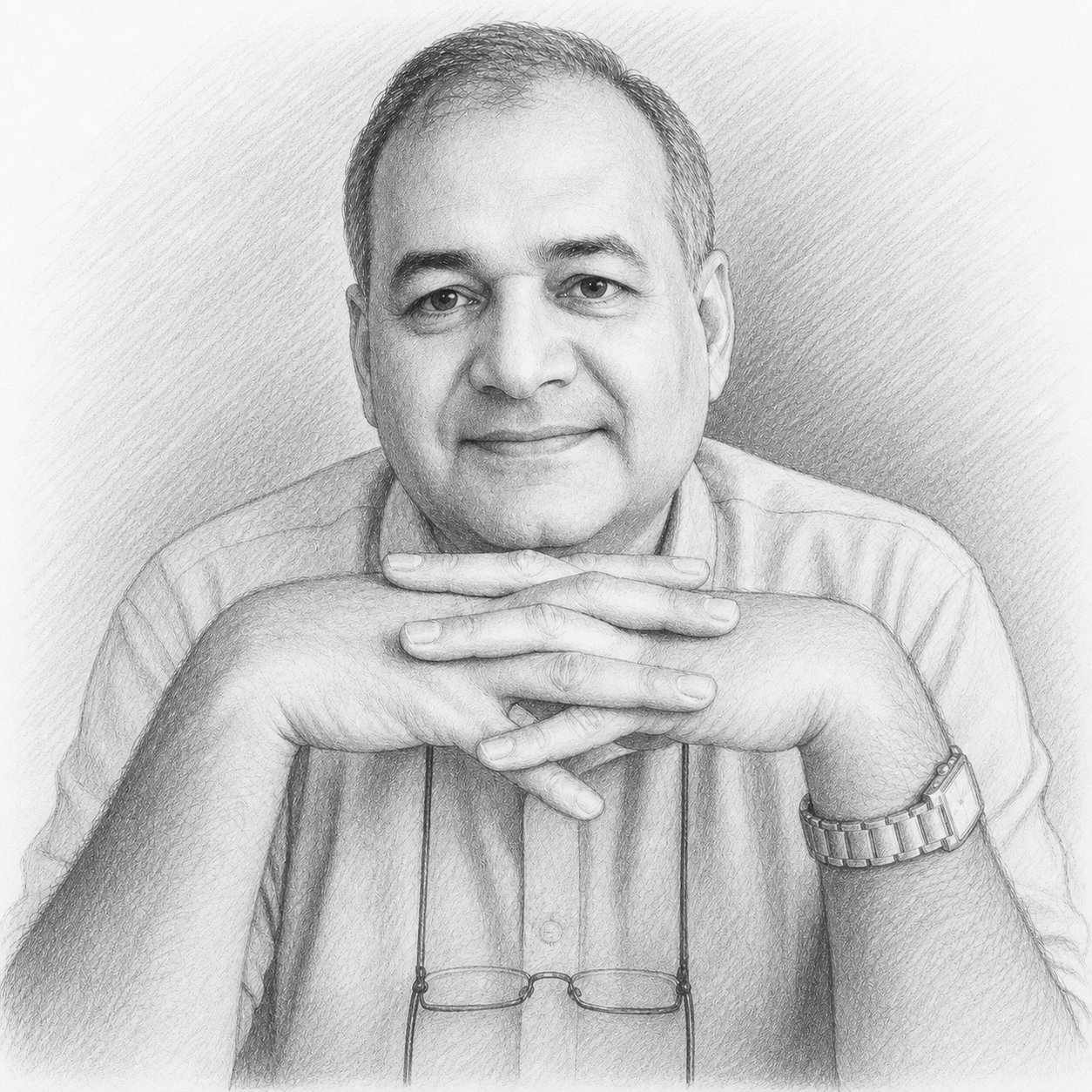
ZafMalik is a journalist an storyteller who turns everyday moments into unforgettable, viral narratives. With a sharp eye for emotion and twists, he brings real-life stories to life in ways that stay with you long after they’re told.