I thought the worst day of my life was the day we buried Grace.
She was eleven.
The sky had been painfully blue that morning, the kind of bright, careless blue that feels almost cruel when your world is collapsing. I remember standing beside the grave feeling as if reality had cracked open beneath my feet. The world continued moving—cars passing in the distance, birds circling overhead—but inside me, everything had stopped.
I don’t remember much from that week except the dull, echoing sound of soil hitting wood and the way my husband, Neil, kept repeating the same sentence over and over.
“I’ll handle it.”
And he did.
He handled the hospital paperwork. The meetings with administrators. The endless forms that I signed without really reading, my vision blurred by tears. Every question I might have asked was quietly intercepted by him.
Neil told me the infection had spread too quickly. That Grace had been declared brain-dead. That there was no chance. No miracle waiting on the horizon.
“There’s nothing more they can do,” he said gently.
I was drowning in grief. I couldn’t think clearly, let alone question the details.
We had no other children. Grace had been our entire world. I remember whispering to Neil one night through broken sobs that I couldn’t survive losing another child.
He held me tightly and said it was over.
For two years, I lived like a ghost inside my own life.
Days passed without meaning. I went through motions—grocery shopping, washing dishes, staring at television shows I couldn’t follow. The house felt hollow without Grace’s laughter echoing through the hallway.
I avoided her room for months.
When I finally opened the door again, the sight of her books, her drawings, her half-finished science project nearly broke me all over again.
Time didn’t heal anything.
It simply stretched the pain thinner.
Then one afternoon, the phone rang.
We almost never used the landline anymore. The sound was so sudden and unfamiliar that it startled me badly enough to make the mug slip in my hand.
Coffee spilled across the counter as the ringing continued.
I picked up.
A man introduced himself as Frank, the principal of Grace’s former middle school.
His voice sounded careful. Measured.
“There’s a student here,” he said slowly, “who asked to call her mother. She gave us your name and this number.”
My stomach twisted.
“That’s impossible,” I said quietly. “My daughter is dead.”
There was a pause on the other end of the line. I could hear papers shuffling.
“She says her name is Grace,” he replied. “And she looks very much like the photo we still have in our system.”
For a moment, I couldn’t breathe.
Before I could process what he was saying, I heard movement in the background.
Then a small voice.
Soft. Trembling.
“Mommy?”
My heart stopped.
“Please come get me.”
The phone slipped from my hand and clattered against the floor.
It was her voice.
I knew it. I would have recognized it anywhere.
Neil walked into the kitchen just as I stood there shaking.
“Grace is at her school,” I whispered.
Instead of comforting me, instead of gently telling me grief can play cruel tricks on the mind, Neil’s face went completely pale.
He grabbed the phone from the counter and hung it up.
“It’s a scam,” he said quickly, too quickly. “AI voice cloning. People can fake anything now. Public obituaries, social media—they can recreate voices—”
But I was already reaching for my keys.
Neil stepped in front of the door.
“You don’t know what you’ll find,” he warned.
My chest tightened.
“If she’s dead,” I said slowly, “why are you afraid of a ghost?”
He didn’t answer.
That silence told me more than any explanation ever could.
I drove to the school in a haze, barely remembering the route. Every red light felt unbearable. Every second stretched like an eternity.
When I walked into the principal’s office, my world tilted.
She was sitting in a plastic chair by the window.
Too thin.
A little taller than I remembered.
Her hair was longer, her face older—maybe thirteen now instead of eleven.
But when she looked up at me, everything inside me shattered.
“Mom?”
My knees buckled and I dropped to the floor.
I wrapped my arms around her.
She was warm.
She was breathing.
She was real.
Grace clung to me as if she was afraid I might disappear again, her small body shaking with sobs.
And then she whispered something that shattered the fragile miracle of that moment.
“Why didn’t you come for me?”
Neil arrived minutes later.
He looked like a man staring at something impossible.
I didn’t give him time to speak.
I took Grace’s hand and walked out of the building.
We drove straight to my sister Melissa’s house.
Grace refused to let go of my hand the entire drive.
“I don’t want them to take me again,” she whispered from the back seat.
Take her again.
The words echoed in my mind like a warning siren.
Our next stop was the hospital.
Two years earlier, Grace had been admitted there with a severe infection. I remembered the machines. The constant beeping. The sterile smell of antiseptic.
I remembered Neil telling me she was gone.
But when I demanded answers, Dr. Peterson looked deeply uncomfortable.
Grace had never been legally declared brain-dead.
There had been neurological responses. Small, uncertain signals, but still signs of life.
Recovery wasn’t guaranteed.
But it had never been impossible.
Neil had requested to become the primary medical decision-maker.
A few days later, he arranged to transfer Grace to a private rehabilitation facility, claiming he would inform me once she stabilized.
He never did.
Instead, he told me she died.
When I confronted him later that night, the truth finally broke out.
After her illness, Grace had experienced cognitive delays. She would need therapy, specialized schooling, long-term support.
“It would’ve ruined us,” Neil said quietly.
“You were barely functioning. I thought I was protecting you.”
Protecting me.
He had arranged for another family to take her.
Our living daughter.
Adopted out.
While I mourned a child who was still breathing somewhere else.
“She wasn’t the same,” he added weakly. “I thought we could move forward.”
What he really meant was she wasn’t convenient anymore.
Grace later told me what those two years had been like.
The couple she lived with insisted she was confused whenever she mentioned us. They told her her memories were wrong.
They kept her mostly indoors. Gave her chores. Corrected her whenever she said she had another name, another mother.
But memories have a way of surviving.
Slowly, pieces returned.
Her school.
The principal.
The hallway where her photo still hung on a board celebrating past students.
One afternoon, she stole money from a drawer.
Took a taxi.
And went to the only place she believed might still remember who she really was.
Her school.
She found me.
I went to the police with hospital documentation and a recording of Neil admitting everything.
The charges stacked quickly.
Fraud.
Unlawful adoption procedures.
Violations of medical consent.
He was arrested the same day.
The couple who had taken Grace claimed they were told I had abandoned her. That I was unstable. That I had signed away my rights.
But the paperwork collapsed under investigation.
I filed for divorce immediately.
The court began restoring full custody.
Grace and I moved back into our house together.
For the first time in years, the silence inside those walls felt different.
Not empty.
Not haunted.
Just quiet.
Honest.
Healing is slow.
Some nights I still wake up and walk down the hallway to check her room, just to make sure she’s really there.
She is.
Breathing softly beneath her blanket.
What was meant to erase her—erase us—became something else entirely.
I didn’t just get my daughter back.
I got my voice back.
My clarity.
My rage.
My strength.
Grief almost ended me once.
But this time, I was strong enough to fight.
And I will never sign another paper without reading every word.
Not ever again.
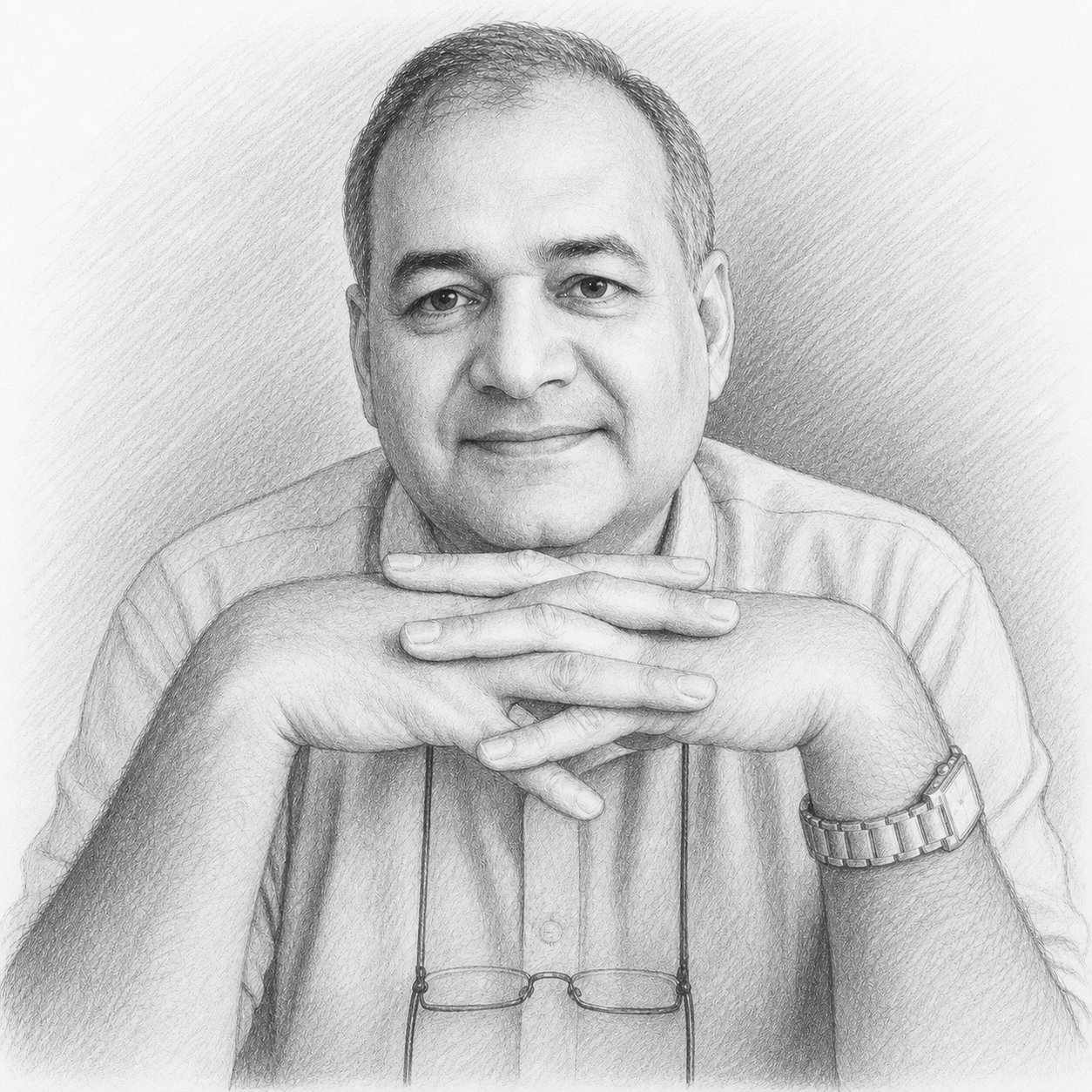
ZafMalik is a journalist an storyteller who turns everyday moments into unforgettable, viral narratives. With a sharp eye for emotion and twists, he brings real-life stories to life in ways that stay with you long after they’re told.